Understanding POS system integrations
In today’s fast-paced business world, POS system integrations play a vital role in enhancing operational efficiency. This article explores what POS integrations are, how they work, and their significance in various industries. By the end, you’ll have a comprehensive understanding of the benefits and challenges associated with implementing these systems.
Table of Contents
- What is POS Integration?
- Importance of POS Integrations
- Types of POS Integrations
- Benefits of POS Integrations
- Challenges of POS Integrations
- Best Practices for POS Integrations
What is POS Integration?
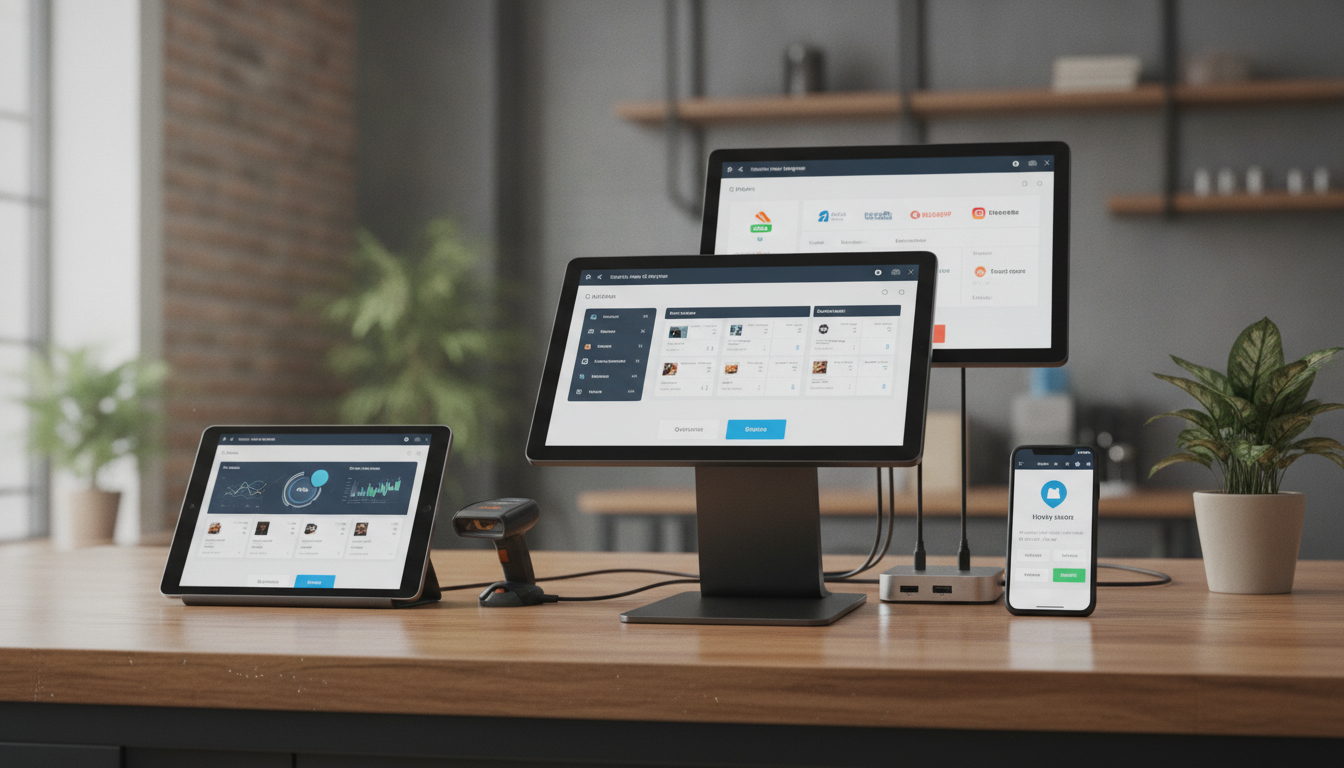
POS integration refers to connecting a point-of-sale system with other business systems. These might include inventory management, accounting software, and e-commerce platforms. By linking these systems, businesses can ensure a seamless flow of data.
Definition and Overview
The primary objective of POS integration is to streamline operations. This means minimizing errors, saving time, and improving customer experience. When systems are integrated, data from the POS can automatically update other platforms, like inventory systems.
For instance, when a sale occurs, the inventory levels adjust in real-time. This integration eliminates the need for manual updates, which can be prone to error. Overall, it creates a more efficient workflow.
How It Works
POS system integrations work through APIs (Application Programming Interfaces). These APIs enable different software applications to communicate with each other. After setting up the integration, the data flow becomes automatic.
For example, when a transaction is completed at the register, the sales data is sent to the accounting system. This ensures that sales records are up-to-date without any manual input, enhancing accuracy and saving time.
Importance of POS Integrations
Understanding the significance of POS integrations can help businesses make informed decisions. These integrations aid not only in operational efficiency but also play a crucial role in customer satisfaction.
Streamlining Operations
Streamlining operations through POS integrations allows businesses to reduce manual tasks. With automated data transfers, staff can focus on more critical areas, such as customer service and strategy development.
By streamlining operations, businesses can respond quickly to market changes. For instance, accurate sales reports enable better management decisions and can ensure products are stocked based on demand.
Enhancing Customer Experience
Customer experience is vital for business success. Efficient POS integrations can enhance transactions and allow for faster checkouts. When sales and inventory systems are connected, customers receive accurate stock availability.
Furthermore, integrated systems facilitate loyalty programs and personalized promotions. Customers feel valued when businesses recognize their preferences, ultimately leading to increased loyalty and sales.
Types of POS Integrations
There are several types of POS integrations available, each tailored to different aspects of business operations. Recognizing these can help in choosing the right integration for a specific need.
Inventory Management Integration
Inventory management integration connects the POS system directly with inventory software. This integration allows for real-time tracking of stock levels, minimizing the risk of overstocking or stockouts.
For businesses that rely heavily on inventory, such as retail, this integration is crucial. It ensures that sales data reflects current inventory levels, enabling timely reordering.
Accounting Software Integration
Integrating POS systems with accounting software automates financial tracking. This means that every sale is recorded in accounting systems without manual entry, ensuring accuracy.
For example, when a transaction occurs, the revenue is instantly logged in the accounting software. This integration significantly reduces the likelihood of financial discrepancies and aids in better financial reporting.
Benefits of POS Integrations
POS system integrations offer numerous advantages, making them an essential component for modern businesses. Understanding these benefits can aid in decision-making.
Increased Efficiency
One of the primary benefits of POS integrations is increased operational efficiency. Businesses can automate repetitive tasks, reducing the burden on staff and minimizing errors.
This means that employees can dedicate time to higher-value tasks, such as improving customer service. Overall, improved efficiency translates to better profitability for businesses.
Improved Data Accuracy
Data accuracy is crucial for making informed business decisions. With a synchronized POS system, the likelihood of human error is minimized.
For example, when data transfers occur automatically, the chances of misreporting financial performance decrease. Accurate data fosters better strategic decisions across all levels of a business.
Challenges of POS Integrations
While the benefits are clear, businesses should also consider potential challenges. Understanding these can aid in navigating the integration process more effectively.
Initial Setup Costs
One challenge businesses face with POS integrations is the initial setup cost. Integrating systems can require investment in both software and potential hardware.
However, businesses should weigh these costs against long-term savings. Investing in efficient technology can lead to better returns down the line.
Training Staff
Implementing new systems often necessitates staff training. Employees must learn how to use integrated software effectively, which can take time.
However, providing adequate training can mitigate this challenge. Empowered staff leads to smoother operations and maximizes the benefits of integration.
Best Practices for POS Integrations
Successful POS integrations are achieved through well-planned strategies. Following best practices can ensure smooth implementation and ongoing success.
Choose the Right Solutions
Choosing the right POS and integrated solutions is critical. Consider the specific needs of your business, including customer base and inventory demands.
Research multiple vendors and read reviews to make informed choices. Ensure that chosen solutions can scale with your business growth, adapting as necessary.
Continuous Monitoring and Support
Once integrated, continuous monitoring is essential. Regular checks can help identify any issues before they become significant problems.
Additionally, maintaining strong vendor support ensures that when challenges arise, businesses have access to timely assistance. This proactive approach will keep systems running smoothly.
FAQs about POS System Integrations
What is a POS system integration?
A POS system integration connects your point-of-sale system to other business tools, such as inventory and accounting software. This ensures seamless data flow and operational efficiency.
How does POS integration benefit my business?
POS integration can boost efficiency by automating data transfer, enhancing accuracy, and improving customer service. These benefits lead to greater profitability.
Is training necessary after a POS integration?
Yes, training is crucial for staff to effectively use new integrated systems. Proper training results in smoother operations and maximizes the integration’s advantages.
What should I consider when choosing a POS integration?
Look for compatibility with existing systems, ease of use, and scalability. Additionally, research vendors for reliable support and updates.
Can I integrate multiple systems with one POS?
Yes, many POS systems support multiple integrations. However, ensure that they can handle the volume and complexities of your business needs.
Conclusion
In conclusion, POS system integrations are essential for modern businesses aiming to enhance efficiency and customer satisfaction. By understanding the types and benefits of integrations, businesses can make informed decisions tailored to their operational needs.
Consider ongoing challenges and best practices to ensure successful implementation. The right integration strategy will significantly contribute to long-term success.